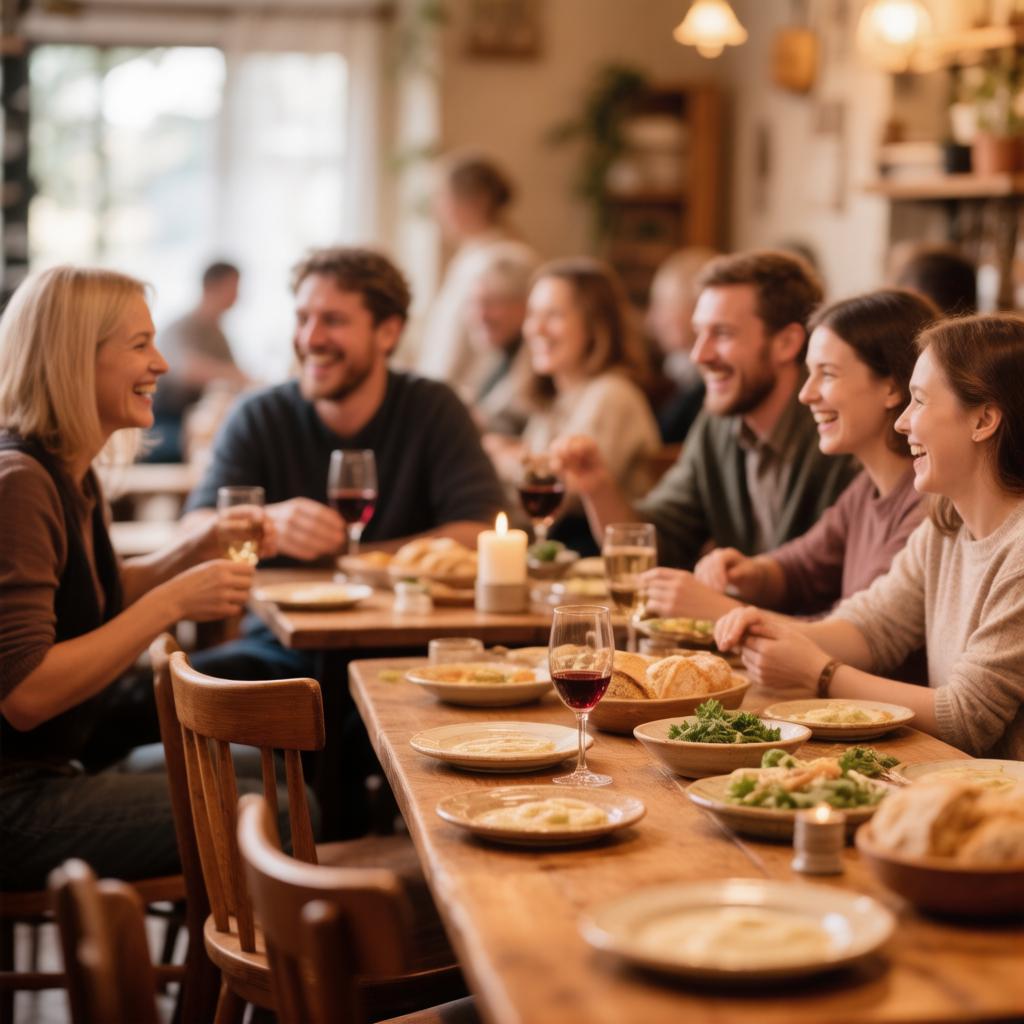
We didn't set out to open a restaurant. We set out to make dinner.
"A good pie and a good conversation. That's the whole idea, and we've never had a reason to complicate it."
— The Barbieri family
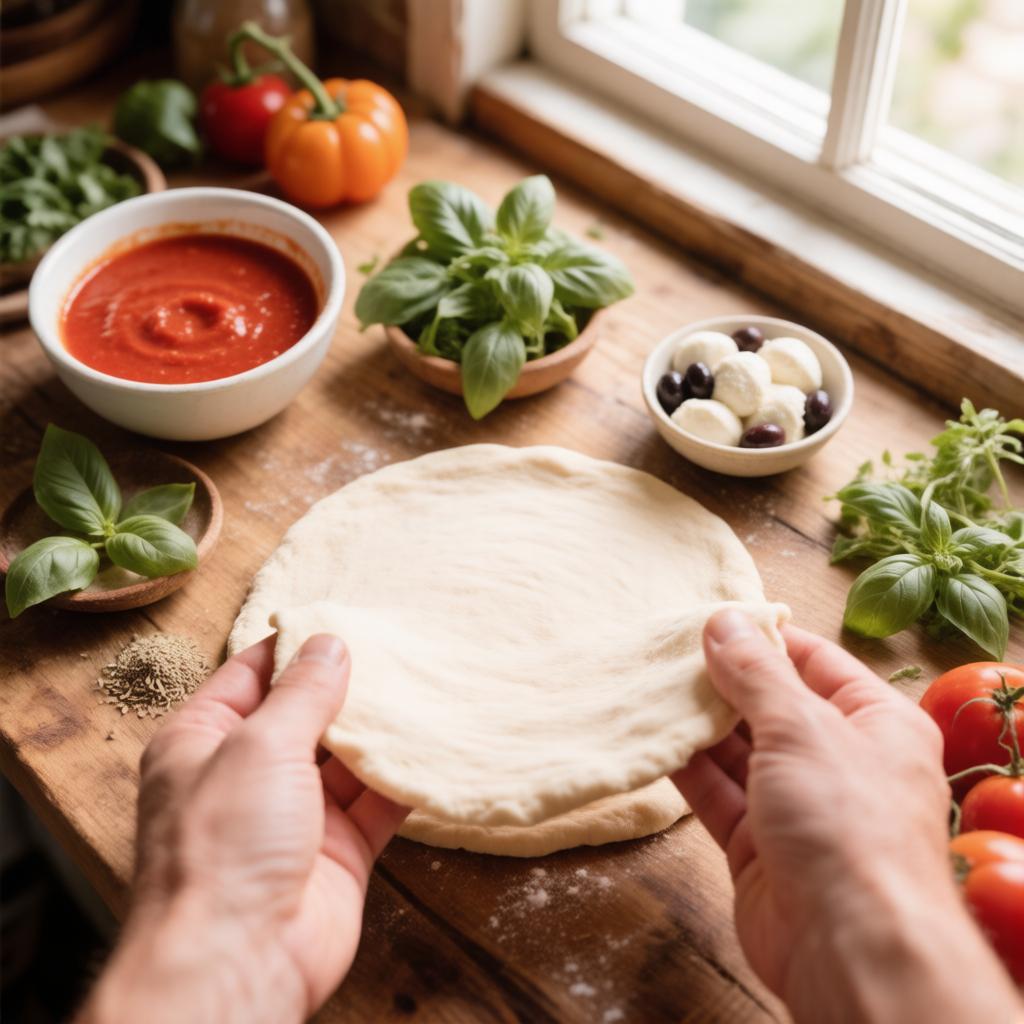
The first thing you should know about Rustic Roots is that it began as a family habit, not a business plan. On most Sunday evenings in the late 1990s, the Barbieri family crowded around a small table in a two-bedroom apartment in Brooklyn, eating pizza that had been made by the same pair of hands for twenty years. The dough was mixed on Thursday. The sauce went on the stove on Friday night. By Sunday, the whole apartment smelled like the inside of a good bakery, and nobody in the family could walk past the counter without stealing a corner of crust.
When the family moved to Vermont in 2011, the Sunday ritual moved with them. What was different was the ingredients. The tomatoes were grown by a neighbor. The basil was bought by the handful from a farm stand two miles down the road. The flour came from a mill in northern Vermont that had been operating since before the Civil War. The pizza got better. Everyone noticed. It was, in fact, the first time the family suspected that what they were doing might be worth sharing.
In 2019, a storefront on Main Street in Enosburg Falls came up for rent. It had been a diner before, and a hardware store before that, and it had the kind of windows that made you want to sit behind them. The family signed the lease in March, spent the next five months tearing out a drop ceiling, refinishing the floors, and building a small kitchen that could make pizza and pasta without cutting corners. On the first Friday of September, they opened the doors. Nine tables. One oven. A short menu handwritten on butcher paper and taped to the wall.
The plan was to give it a year. The town had other ideas. By the second week, there was a line at the door at five o'clock. By the second month, the Friday rush was so steady that we had to hire a second cook. That was five years ago. The line is still there on Fridays, and the cooks are still the same two brothers, and the dough is still mixed on Thursday.
How we cook, and why it takes longer.
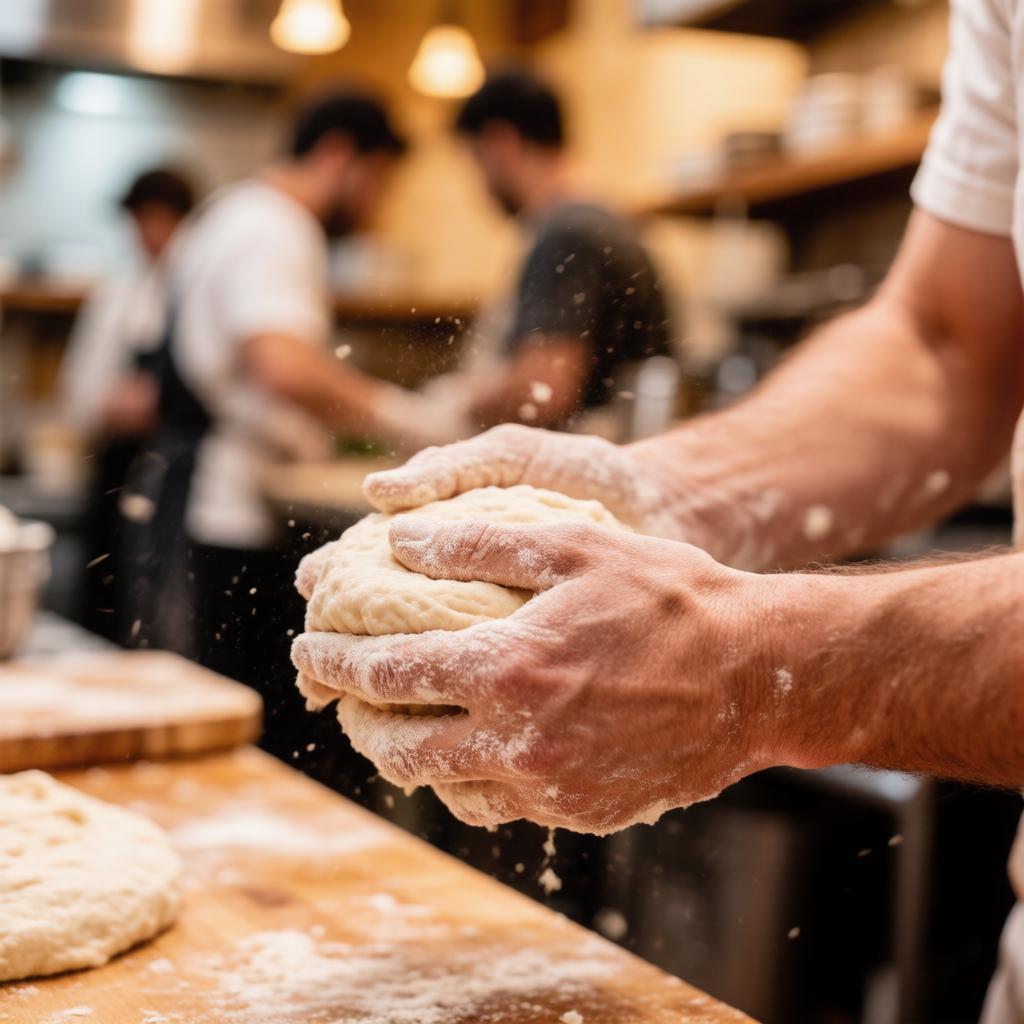
There is a reason most restaurants do not make their own pasta and their own dough and their own sauce from scratch. It is expensive and slow and it uses up kitchen space that could otherwise hold a second oven. We do it anyway because the alternative is a menu that tastes like everyone else's. And there is nothing worse than going out to eat and finding a plate you could have made at home.
The dough is mixed every Thursday and rests, covered, in the walk-in cooler until Friday morning. The sauce simmers overnight, from ten at night to ten the next morning, on a low flame with the lid just barely on. The pasta is rolled fresh each morning — fettuccine, spaghetti, rigatoni, and whatever shape the special calls for. The lasagna takes a full day: four hours for the ragù, an hour for the béchamel, forty minutes of rolling and layering, then the bake. When we sell out, we sell out, and there is no way to rush it back onto the menu.
That pace is the entire point. We cook the way our grandmothers cooked, not because we are sentimental, but because the food is simply better that way. A pizza that comes out of a 550-degree oven after a forty-eight-hour ferment tastes different than one that came out of a refrigerator two hours ago. Anyone who has eaten both knows it. That is the whole argument.
Five years in, on Main Street.
We open the doors
Nine tables, one oven, a handwritten menu. The first Friday we run out of dough by 7:30 PM.
The pasta room
We build out a small pasta kitchen in back, buy our first sheeter, and add handmade pasta to the menu.
A new oven
The original deck oven is rebuilt from the ground up. Same stone hearth, same 550 degrees, better recovery.
Ten local farms
We formalize our sourcing and begin printing the farm names on the menu. Every week changes the list.
"The pizza is worth the drive from St. Albans. The pasta is worth the drive from Burlington. The people are worth the drive from anywhere."
— A regular, on a Friday in October
Four things we will not compromise on.
Real ingredients
No premade sauces, no frozen dough, no shortcuts that save us time at the cost of flavor. If we cannot make it well, we do not make it at all.
Local first
We buy from Vermont farms whenever the season allows. The tomatoes change in August. The basil changes in June. That is a feature, not a bug.
Fair prices
We charge what the food costs. If the price of flour goes up, we tell you. We do not shrink the pizza to protect a number on a spreadsheet.
Neighbors at the table
We know most of the people who walk through the door. That is a small-town thing, and we would not trade it for anything.
The kitchen is open from four to eight, every evening.
The best way to know the place is to eat here. Order a pie, sit at the counter, watch the kitchen. If it's your first time, tell us. We'll steer you toward something we think you'll love.